Making a Splash: The Best Starter Aquarium Setups for Beginner Fishkeepers
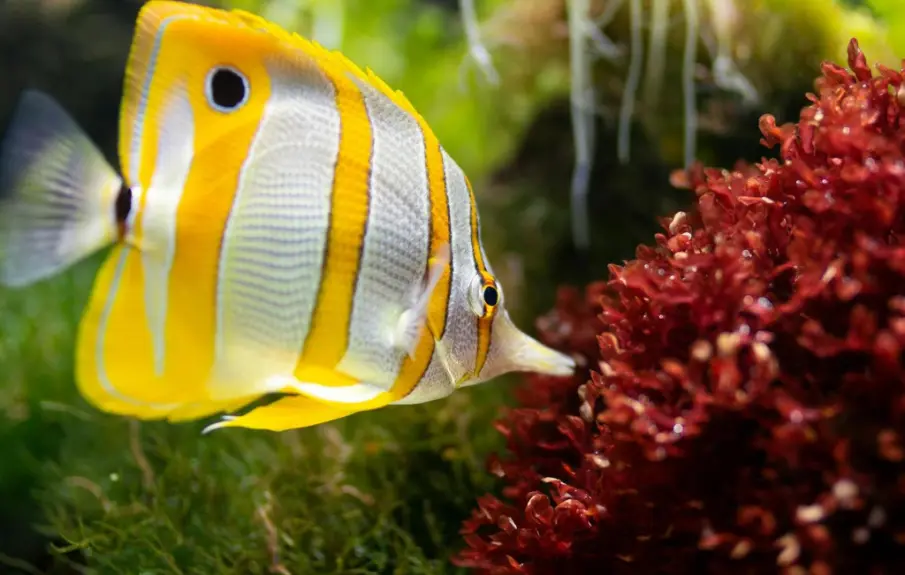
There is something undeniably calming about a well-kept aquarium. The gentle movement of fish through clear water, the soft hum of a filter, the living colour of plants and coral — a tank brings a piece of the natural world indoors in a way few other hobbies can match. For those thinking about taking the plunge, however, the sheer variety of tanks, equipment, fish, and advice available can feel overwhelming before a single drop of water has been poured.
The good news is that starting out doesn't have to be complicated or expensive. With the right setup chosen from the beginning, fishkeeping is a hobby that rewards patience and curiosity in equal measure. This guide walks through the best starter aquarium options, what to look for in your first tank, and how to give your fish the best possible home from day one.
Size Matters More Than You Think
One of the most common mistakes beginners make is starting too small. A tiny bowl or a nano tank of five litres might seem like an easy option, but smaller volumes of water are actually harder to manage. Temperature fluctuations happen faster, ammonia from fish waste builds up more quickly, and there is far less room for error before conditions become dangerous for your fish.
For most beginners, a tank in the range of 60 to 120 litres strikes the ideal balance. It's large enough to maintain stable water chemistry, spacious enough to house a variety of compatible fish, and small enough to fit comfortably in a living room without dominating the space. A 60-litre tank on a proper aquarium stand typically fits on a sideboard or dresser footprint, making it perfectly manageable for most homes.
The All-in-One Starter Kit: The Easiest Entry Point
For those who simply want to get started without worrying about matching individual components, an all-in-one starter kit is the most practical choice. These kits bundle a tank, a filter, a heater, and lighting into a single purchase — often at a price that undercuts buying each piece separately.
Popular and well-regarded options include the Fluval Flex, which comes in 57-litre and 123-litre versions and features a curved front panel, a powerful multi-stage filter hidden in a rear compartment, and impressive LED lighting with colour and intensity controls. It's a genuinely attractive piece of kit that looks as good as it performs.
The Aquael Leddy range offers a similarly streamlined experience at a slightly lower price point, with clean rectangular designs and reliable built-in filtration that suits planted setups particularly well. Juwel is another respected name, with their Rio series being a long-standing favourite among UK fishkeepers — the Rio 125 in particular offers a solid platform that many beginners grow into over years rather than outgrowing in months.
For those drawn to a more premium feel, Fluval's Vicenza and Roma series offer cabinetry-matched stands and a more furniture-like aesthetic, which matters if the tank is going to be a centrepiece of a living room.
Freshwater vs. Marine: Which to Choose First
Almost every experienced fishkeeper will give the same advice to a complete beginner: start with freshwater. This isn't to say marine tanks aren't achievable — they absolutely are — but they demand a higher level of water quality management, significantly more expensive equipment, and livestock that is considerably less forgiving of beginner mistakes.
Freshwater tropical aquariums, by contrast, offer a vast choice of colourful and characterful fish, relatively forgiving water parameters, and equipment that is both affordable and easy to find. Fish like neon tetras, guppies, platies, corydoras catfish, and dwarf gouramis are hardy, peaceful, and readily available — perfect starting points that are genuinely enjoyable to keep.
Cold water setups — home to goldfish and white cloud mountain minnows — are an even more accessible starting point, requiring no heater and tolerating a wider range of temperatures. A single fancy goldfish in a well-filtered 90-litre tank can be a surprisingly engaging pet, and goldfish kept properly (not in bowls) can live for a decade or more.
The Nitrogen Cycle: The Most Important Thing No One Tells You
Before adding a single fish, every new tank owner needs to understand the nitrogen cycle. This is the biological process by which beneficial bacteria colonise your filter media and break down the ammonia produced by fish waste into less harmful compounds. A tank that hasn't completed this cycle — which typically takes four to eight weeks — can accumulate toxic ammonia levels that will kill fish rapidly.
The good news is that the process can be accelerated. Products like API Quick Start or Tetra SafeStart introduce beneficial bacteria directly into the tank, shortening the cycling period considerably. Alternatively, adding a small piece of mature filter media from an established tank (borrowing from a friend or a local fish shop) can kick-start the cycle almost immediately. Testing the water regularly with a liquid test kit — the API Freshwater Master Test Kit is the gold standard — allows you to monitor ammonia, nitrite, and nitrate levels and know with confidence when the tank is ready for fish.
Skipping or rushing this step is the number one reason beginners lose fish in their first weeks. Take it slowly, and the rest of the hobby becomes significantly more enjoyable.
Essential Equipment: What You Actually Need
Beyond the tank itself, a few pieces of equipment are non-negotiable for a healthy freshwater setup:
Filtration is the most critical. A good filter should turn over the tank volume at least four to six times per hour. For a 100-litre tank, look for a filter rated to at least 400 litres per hour. Internal filters are adequate for smaller tanks; external canister filters — from brands like Fluval, Eheim, or Oase — offer superior performance and are worth considering for tanks of 100 litres and above.
Heating is essential for tropical fish. A reliable adjustable heater from Aquael, Fluval, or Hydor set to around 25°C will suit the vast majority of beginner-friendly tropical species. Always use a separate thermometer to verify the temperature independently of the heater's dial.
Lighting serves both aesthetic and practical purposes — plants require appropriate light to photosynthesise. Most starter kits include adequate lighting, but if you plan to grow live plants, a quality LED such as those from Chihiros or Fluval's Plant Spectrum range will make a significant difference.
Substrate, decorations, and plants complete the setup. Fine gravel or sand works well for most fish, and adding live plants from the start helps stabilise the tank biologically while giving fish cover and making the aquarium look spectacular.
Renting an Aquarium: A Flexible Alternative Worth Considering
Buying an aquarium and all its associated equipment represents a meaningful upfront investment — a decent beginner setup with tank, stand, filter, heater, lighting, and décor can easily run to several hundred pounds. For those who are curious about fishkeeping but not yet certain it's a long-term commitment, or for those who would rather avoid the responsibility of sourcing and assembling individual components, renting an aquarium is an option that is more widely available than many people realise.
A number of specialist companies offer rental or lease packages that include the tank, full equipment, initial setup, and ongoing maintenance visits — effectively handling the technical side of the hobby on your behalf. For households where an aquarium is wanted for its ambience and aesthetic rather than as a hands-on hobby, this can be an ideal arrangement.
The advantages of aquarium rental are tangible. There is no large upfront cost, making it financially accessible to those who don't want to commit hundreds of pounds before knowing if they'll enjoy the hobby. Maintenance, servicing, and equipment replacement are typically handled by the provider, removing the steeper learning curve for those who aren't naturally technical. If circumstances change — a house move, a change in lifestyle, or simply a decision that fishkeeping isn't for you — returning the tank is far simpler than trying to sell a second-hand setup. For businesses looking to add an aquarium to a reception area or office, rental arrangements are particularly attractive, as they offload all ongoing care to professionals.
The First Fish: Taking It Slowly
Once the tank is cycled and parameters are stable, resist the urge to fill it immediately. Start with a small group — six to eight fish is plenty for a first addition — allow them to settle for two to three weeks, and test the water before adding more. Overstocking is one of the most common errors in beginner tanks, and its consequences — poor water quality, disease, and stressed fish — are far easier to avoid than to fix.
Choose fish from a reputable local fish shop where the staff can answer questions and the tanks look clean and healthy. Avoid fish that are gasping at the surface or showing visible signs of disease, and never buy fish on impulse without first checking their adult size, temperament, and water requirements.
Conclusion
A well-chosen starter aquarium setup doesn't just give fish a home — it opens the door to one of the most rewarding and long-lasting hobbies there is. Start with the right size tank, choose an all-in-one kit that takes the guesswork out of equipment selection, cycle the tank properly before adding fish, and stock it slowly with hardy, compatible species. Do those things, and what begins as curiosity very often becomes a lifelong passion.
For those not ready to commit to a purchase, renting provides a low-risk way to experience the joys of an aquarium without the upfront investment or technical demands. Either way, the fish are waiting.
More to Read:


Previous Posts:
Next Posts: